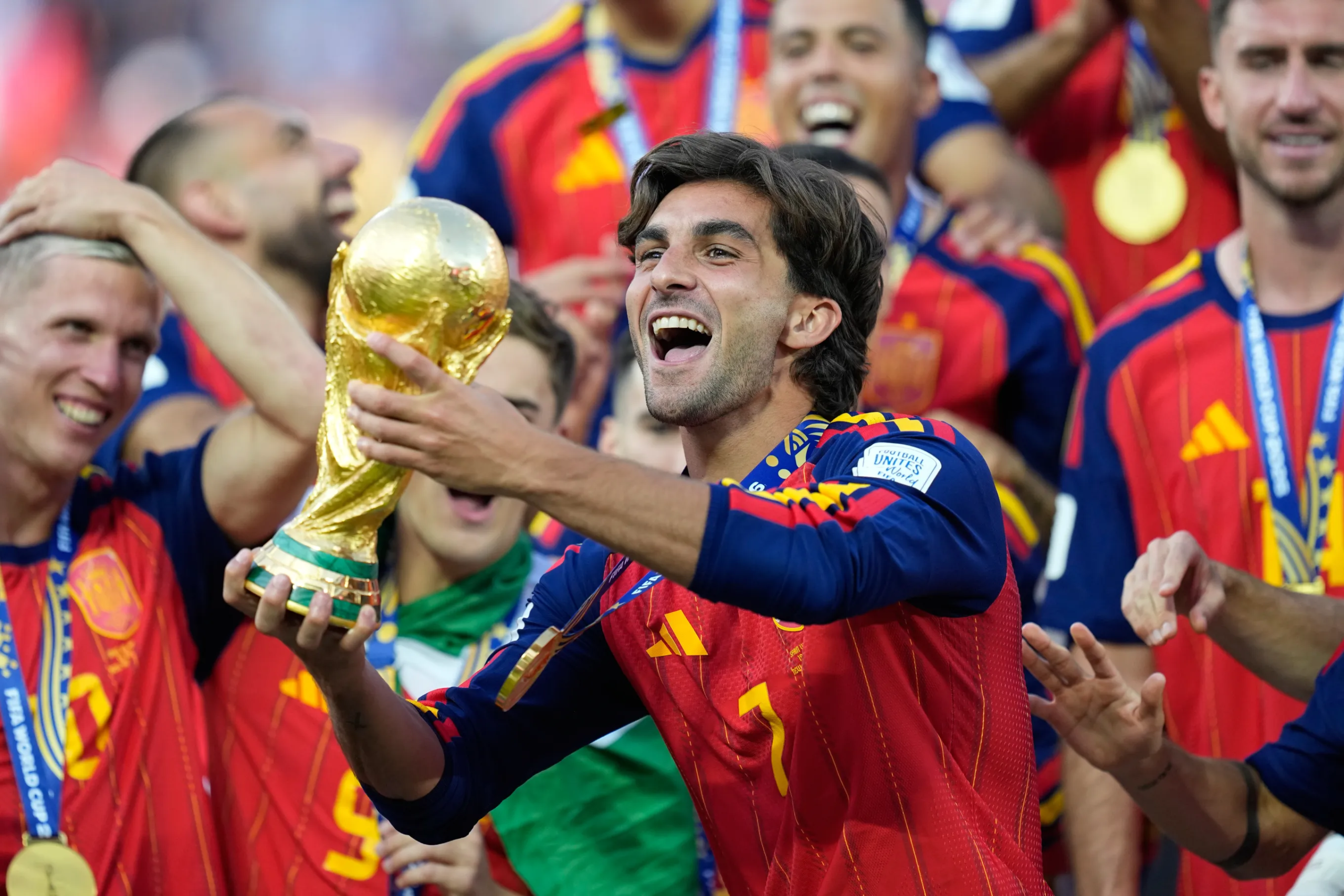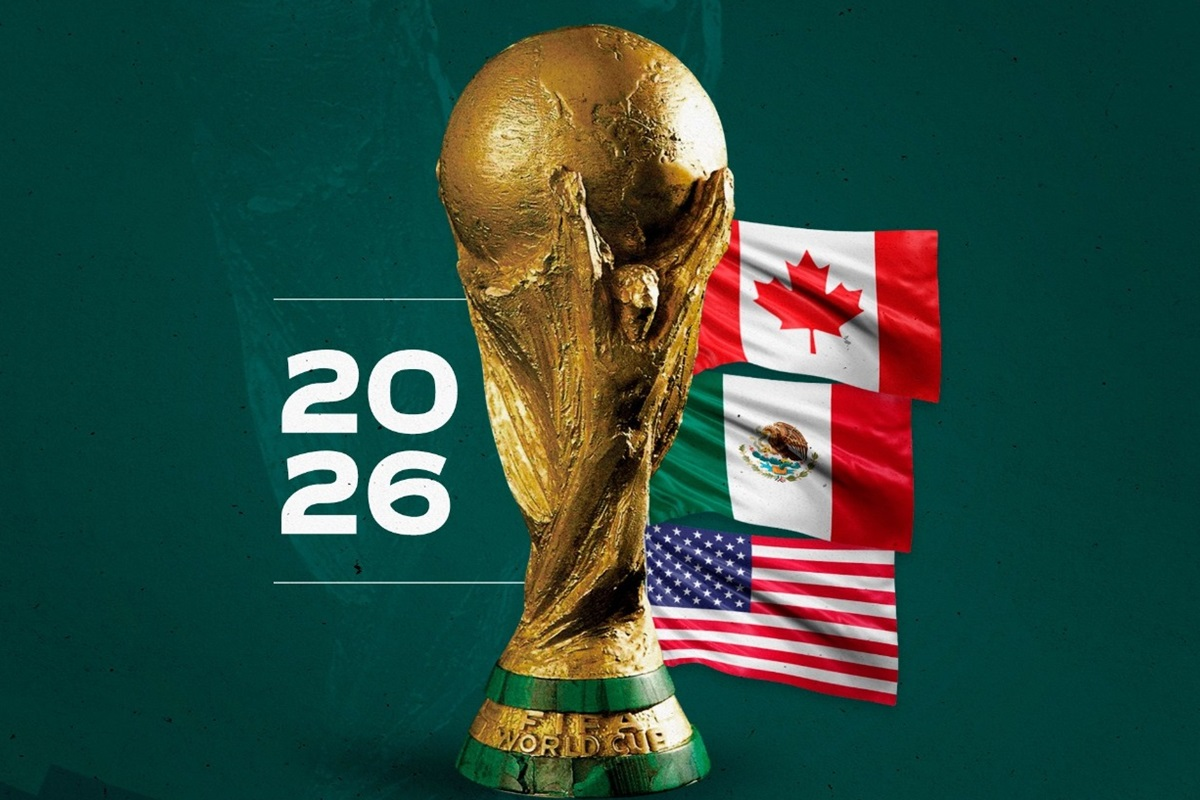
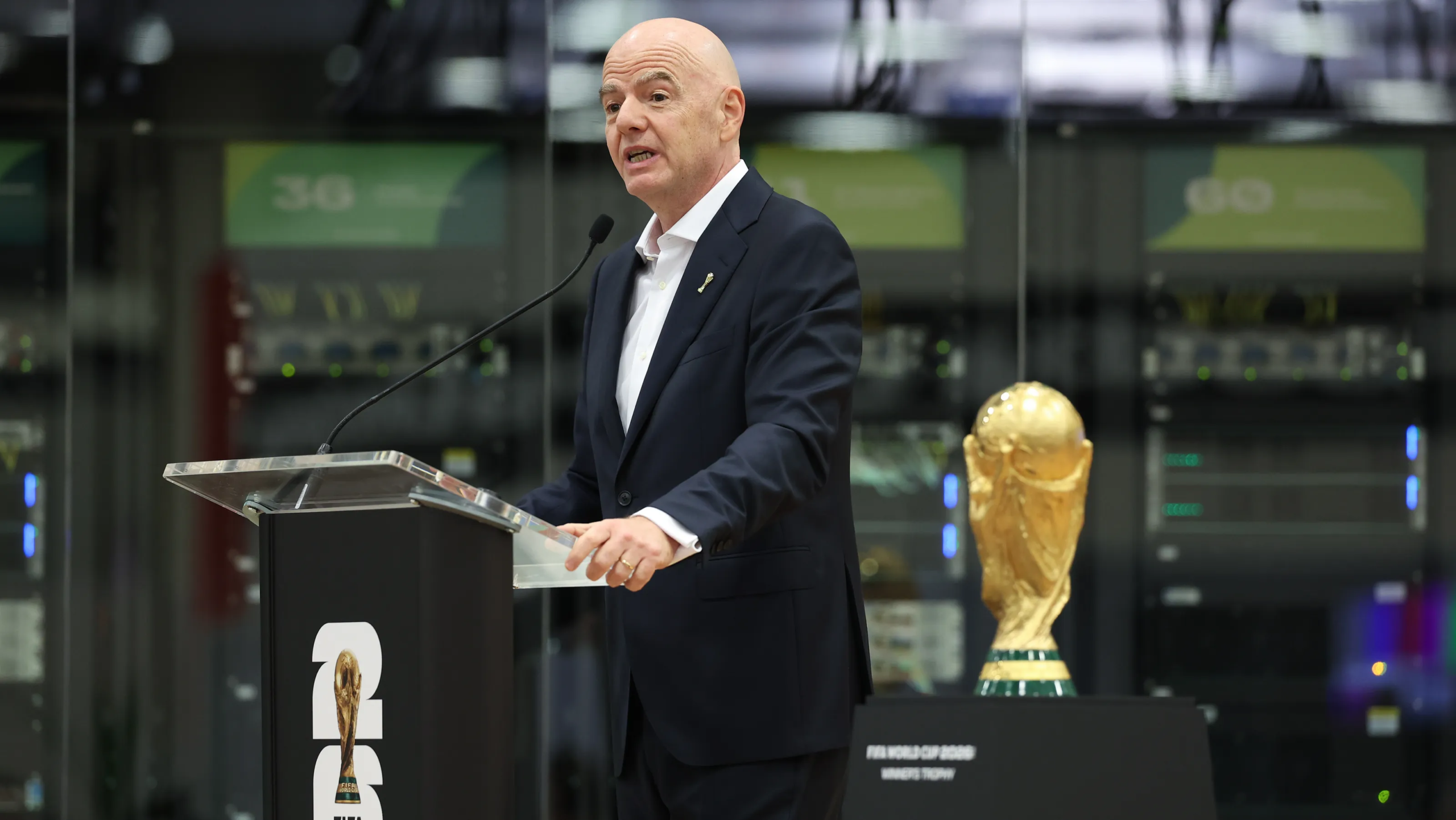
A growing dispute has emerged between European football’s governing body, UEFA, and FIFA after the world governing body announced plans to sell minority stakes tied to the commercial rights of the FIFA World Cup.
The proposal, revealed by FIFA on Tuesday, is intended to attract outside investment while creating new opportunities to maximize the commercial value of football’s most prestigious tournament. However, UEFA responded with unusually strong criticism, arguing that the move represents a dangerous shift in how the sport’s most valuable competitions are managed.
According to UEFA, introducing external investors into the financial structure of the FIFA World Cup “crosses a line football’s governing bodies should never cross.” The organization expressed concerns that opening the tournament to private investment could place commercial interests ahead of the long-term integrity and independence of the sport.
FIFA quickly sought to reassure its member associations and stakeholders, emphasizing that the proposed transaction involves only minority commercial stakes. The governing body insisted it would retain complete control over the World Cup’s governance, tournament operations, regulations, scheduling, and every sporting decision related to the competition.
A Debate Over Football’s Future
The disagreement reflects a broader conversation taking place across global sports, where leagues and governing bodies are increasingly exploring partnerships with institutional investors to unlock new revenue streams.
Supporters of the strategy argue that outside capital can accelerate innovation, improve fan experiences, expand digital platforms, and strengthen the financial sustainability of major sporting events. Critics, however, warn that financial investors may prioritize returns over the traditions, competitive balance, and cultural significance that define global football.
For UEFA, the World Cup represents more than a commercial asset. It is one of the sport’s most important institutions, and the organization believes its ownership structure should remain firmly within football’s governing ecosystem.
What Happens Next?
FIFA has not yet released detailed information regarding the structure of the proposed investment or the timeline for any potential transaction. It remains unclear which investors could participate, how large the minority stakes would be, or how future revenues would be allocated.
Despite the controversy, FIFA maintains that the initiative is designed to strengthen the World Cup’s commercial future without compromising the competition itself. UEFA, meanwhile, has made it clear that it will closely scrutinize any proposal that could alter the governance model of international football’s flagship event.
As football continues to evolve into one of the world’s largest entertainment industries, the debate highlights the growing tension between commercial expansion and preserving the traditions and independence that have long defined the global game.
By Ritmo Deportivo
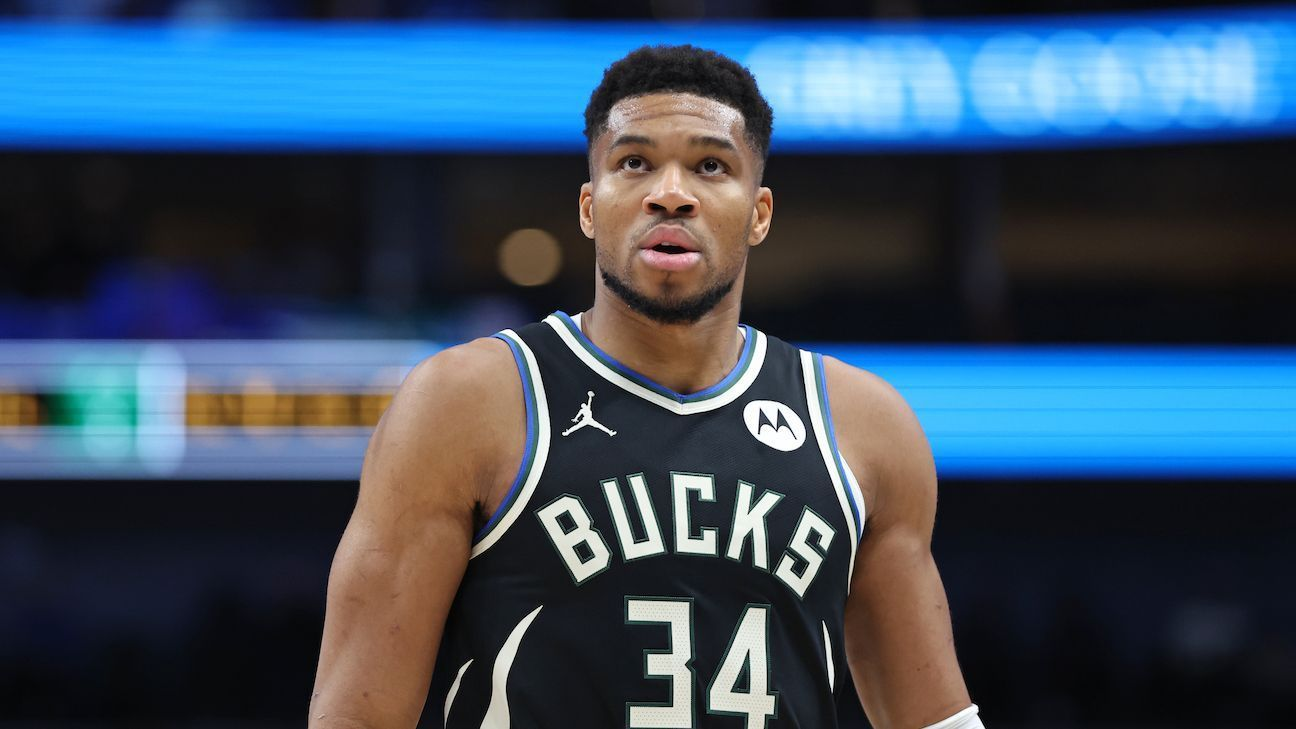
Photo By Getty Images, Creator: Sam Hodde